
Budgeting for a Custom Home in Los Angeles: Realistic Costs and Smart Savings
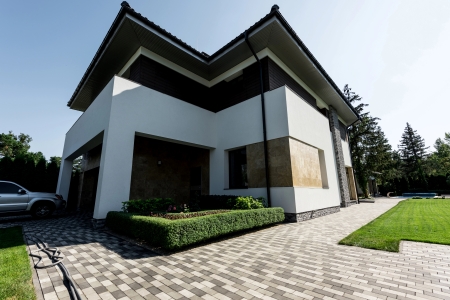
Planning a custom home in Los Angeles is exciting, but the budget can feel like a maze. The good news is that you can map it out with clarity. Start by understanding how design choices, site conditions, and your team all shape the final spend. If you are comparing options, it helps to see how our custom home process in Los Angeles keeps planning organized from the first sketch to move-in.
How Budgeting Works For A Custom Home In Los Angeles
A strong budget begins with your goals. List the spaces you need, the feel you want, and how you plan to live day to day. Then separate needs from nice-to-haves so your essentials stay funded when choices get tough.
Most custom home budgets fall into predictable buckets. Knowing these buckets early keeps everyone on the same page and stops small choices from creating big surprises later.
- Design and preconstruction services, including architecture and engineering
- Site preparation and utilities, influenced by your lot’s slope and access
- Structure and building envelope, such as framing, roofing, and windows
- Mechanical, electrical, and plumbing systems sized for comfort and efficiency
- Interior finishes and fixtures, which vary widely by style and brand
- Landscape and outdoor living, from hardscape to planting
Always set aside a contingency for surprises. It protects your plan if soil conditions, supply timing, or design refinements change your path. A buffer also lets you say yes to a special finish without throwing off the schedule.
Local Factors That Drive Costs In Los Angeles Neighborhoods
Los Angeles is a city of microclimates and varied terrain. Building near the coast may call for materials that stand up to moisture and salt in areas like Santa Monica or Marina del Rey. Hillside sites in neighborhoods such as the Hollywood Hills, Silver Lake, or Encino often need careful access planning and thoughtful foundation work.
Urban lots in places like Hancock Park or Mid-Wilshire may prioritize privacy, quiet, and parking solutions. Valley locations can run warmer during summer, so efficiency choices for cooling and shading matter. Work with a house builder who understands these local patterns so your dollars go where they count.
Smart Ways To Plan Without Cutting Quality
Smart planning is not about stripping features. It is about placing your money where it brings lasting value. Start with the structure, building envelope, and systems. Those decisions lock in comfort and performance for years.
Next, explore the finish tiers. You might select durable midrange finishes in secondary spaces while saving special materials for focal areas like the kitchen or the entry. Your builder can show you side-by-side samples so you can see where a small shift keeps style high and stress low.
Plan for site work early to avoid delays. Clearing, grading, and utility coordination impact timing for everything that follows. When the groundwork is dialed in, the rest of the project moves more smoothly.
Allowances, Upgrades, And Change Orders: Stay In Control
Allowances are placeholders in your budget for items you will choose later, like appliances or tile. Treat them as a promise to your future self. If your taste runs premium, put a realistic number there at the start so you do not scramble mid-build.
When you love a higher-end option, pair the upgrade with a trade-off elsewhere. For example, choose a timeless cabinet style and redirect funds to custom storage that serves you every day. Get everything in writing before construction begins. Clear allowances and selection deadlines help the team order materials on time and keep labor scheduled.
Changes after work has started ripple through labor, materials, and delivery windows. Resist mid-project changes unless they add clear value. If a change is important, ask your home builder to show you the schedule and budget impact before you decide.
Design Choices That Stretch Your Budget
You can stretch your budget without giving up what makes a house feel like home. Focus on layout, light, and storage. These design levers cost less than complex structural moves and still elevate your daily life.
- Prioritize window placement to capture views and natural light
- Keep plumbing groups closer together when possible
- Use standard sizes for doors and windows where design allows
- Concentrate custom millwork in high-impact spaces
- Select durable, easy-care materials in busy zones
If you want deeper dives on design decisions and build planning, explore our home builder blog for practical breakdowns and project stories from around Los Angeles.
Site Conditions, Access, And Logistics
Every lot tells a story. Narrow streets, tight driveways, overhead lines, and limited staging space can influence trucking, crane access, and crew flow. Planning these details early avoids slowdowns that eat away at your timeline.
For coastal or canyon areas, think about wind, sun, and moisture exposure. It can shape choices for roofing, exterior cladding, and window packages. A house builder who builds across the city will flag these issues during preconstruction so the plan stays steady.
Energy, Comfort, And Long-Term Value
Los Angeles homeowners care about comfort that pays back. Efficient HVAC, thoughtful insulation, and quality windows make your home feel better in every season. They also help steady energy use during warm spells and cooler nights.
Consider smart controls that let you zone rooms and track performance. Plan roof and wall assemblies that balance shade, ventilation, and durability. When these choices are made early with your design team, you avoid rework and keep finish choices flexible.
Working With The Right Team
Your team shapes your experience as much as the plan on paper. Look for a custom home builder who explains budget updates in plain language and shows you how design moves affect the bottom line. Ask for a clear schedule of selections and check-ins, so you always know what is next.
It also helps to review a few recent projects with similar site conditions to yours. If you are debating between a single-family custom build and a small-scale multifamily approach, see how our apartment construction expertise compares for lots that make sense for more than one home.
Timeline And Cash Flow Planning In Southern California
Budget and timeline work together. Your designer, engineer, and builder should align on submittals, lead times, and sequencing. That way, selections are ordered in the right order, and crews stay productive on site.
Set regular budget reviews at key milestones. When materials arrive as expecte,d and inspections stay on track, the plan stays stable. If something shifts, a good process helps you decide quickly and keep momentum.
How Calcon Construction, Inc Helps You Stay On Budget
From the first meeting, our team maps your wish list to a practical plan. We start with a detailed scope and a curated selection path, then track each decision against your targets. This steady rhythm protects your budget and gives you room to personalize where it matters most.
If you want to see how this looks in real life, take a few minutes to review our approach to building a custom home in Los Angeles. You will see how early planning, clear allowances, and realistic sequencing support a smooth build from demo to final punch.
Next Steps: Make Your Los Angeles Dream Home Real
Ready to turn ideas into a plan you can trust? Talk with Calcon Construction, Inc for a friendly, detailed roadmap that fits your goals. Call us at 310-481-0099 to schedule a consultation and start shaping your design path.
If you are still gathering inspiration, bookmark our home builder blog for fresh planning tips and local project insights. When you are ready, get in touch with our skilled Los Angeles home builders for a clear conversation about scope, style, and priorities that respect your budget.
Whether you are building in Los Feliz, the Westside, or the Valley, our house construction team will help you plan with confidence. Choose a partner who listens, explains choices, and keeps your budget steady from the first sketch to the final walk-through.