
How to Choose the Right Los Angeles Home Builder for a Ground-Up Custom Home
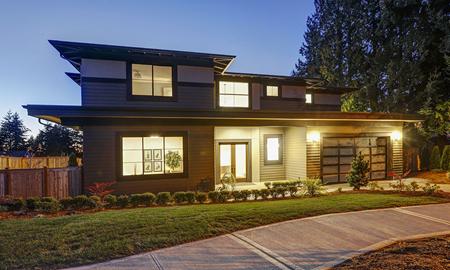
Building a ground-up custom home in Los Angeles is exciting, but the decisions you make in the first weeks shape the next 18 to 24 months. The right partner will guide design, permitting, schedule, and quality from day one. If you are just starting, spend a few minutes exploring how we approach custom homes so you can compare builders with confidence.
What a Los Angeles Custom Home Builder Actually Does
A strong home builder coordinates architects, engineers, crews, and inspectors while protecting your budget, schedule, and vision. In Los Angeles, that also means planning around neighborhoods like Brentwood, Silver Lake, and Pacific Palisades, where narrow streets, hillside access, and utility constraints can affect staging and deliveries.
Your builder should translate design into buildable details, handle long-lead items like windows and structural steel, and keep you informed with simple updates. Ask how they track milestones, document changes, and verify workmanship at each phase.
Define Your Vision and Non‑Negotiables First
Clarity speeds every step. List the spaces you need, the way you live, and features that matter most. For example, an indoor-outdoor living room in Venice will need careful door and finish choices to handle salty air, while a Studio City media room may prioritize acoustics and cooling.
Share inspirations and floor plan ideas early. A focused brief helps a builder spot conflicts and engineer smarter solutions before framing, which prevents delays and rework.
Verify Credentials, Insurance, and Fit
Shortlist three builders and interview them. Confirm current licensing and insurance, then ask for references from projects finished within the last 12 months. **Always verify license and insurance** and ask how claims are handled. You should feel comfortable with their communication style and how they handle surprises.
Ask who will be on site daily, how often the owner or project manager visits, and how they’ll share progress photos or reports. Fit matters. You’ll talk to your builder weekly for many months.
Review Portfolios With a Los Angeles Lens
Look for homes similar to yours in size, style, and site conditions. Hillside builds in Bel Air or Hollywood Hills demand experience with shoring, drainage, and staging. Coastal builds near the Westside face corrosion concerns and strong sun. The palette and craftsmanship you see in their finished work should match your taste.
Tour at least one home under construction if possible. **Tour a job in progress** to see real-world site safety, cleanliness, and how details are protected during rough trades.
Understand the Process Before You Compare Bids
Two bids are rarely apples to apples. Ask each builder to walk you through their sequence from preconstruction to punch list. A clear process usually includes site walks, feasibility checks, budgeting checkpoints, procurement planning, weekly updates, and closeout documentation. For a deeper look at how a builder should manage handoffs and approvals, review their process page and compare it to your expectations.
Builders who start with preconstruction planning often deliver smoother schedules because decisions are made early and long-lead items are reserved sooner.
Scope, Allowances, and Schedule: Read the Fine Print
Focus on what is included. Lighting, tile, appliances, and landscaping can be defined as “allowances.” Make sure the brand level in the proposal matches your goals, and ask how substitutions are approved. **Get everything in writing** so scope creep does not undermine your plan.
On schedule, ask for a high-level timeline with milestones for excavation, framing, rough-in, insulation, drywall, finishes, and final inspections. The best builders note items that could move the timeline, like custom window lead times or specialty stone.
Communication That Reduces Stress
Clear communication beats guesswork. Ask what tools they use for decisions and updates. Will you have a shared calendar, weekly check-ins, and a single point of contact? In a busy city like Los Angeles, fast responses keep inspectors, subs, and deliveries aligned.
Request sample reports or a look at how they track selections and change approvals. If you cannot see how they’ll keep you informed, that is a risk.
Plan for Los Angeles Site Conditions
Every neighborhood has its own wrinkles. In the Hills, narrow roads and steep lots influence crane access and staging. In the Valley, summer heat impacts exterior choices and cooling strategies. Near the coast, finishes and hardware should resist moisture and salt in the air. Trees, setbacks, and utility upgrades may also shape the footprint and timeline.
Questions To Ask Before You Sign
- Who will be my day-to-day contact, and how often will I get updates?
- What recent projects match my style and site conditions?
- How do you handle changes after construction starts?
- What are typical lead times for windows, doors, and key finishes right now?
- How do you protect neighboring properties and manage deliveries on tight streets?
- What quality checkpoints do you use before covering up framing and rough-in?
Red Flags That Signal Risk
- Vague scope with many “TBD” items or missing product levels.
- Unwillingness to share references from the last year.
- No site supervision plan or unclear roles.
- Lack of schedule detail beyond a single completion date.
- Pressure to sign before you review the terms. **Avoid unrealistically low bids** that ignore real timelines or materials.
How To Compare Builders Without Guessing
Create a simple comparison sheet. List each builder, note similar projects, on-site supervision plan, communication schedule, and process clarity. Add a column for allowances that matter to you, like flooring or windows. This makes differences obvious, so your choice becomes about value and trust, not just numbers.
As you compare, review how each builder proposes to sequence work and lock decisions. A proactive plan limits bottlenecks. You can see an example of how a team aligns design and build by reviewing their process and noting how early planning supports clean execution.
Why Builder Experience With Complex Sites Matters
Los Angeles has many hillside and infill lots where access is tight, and soils vary. Experienced teams plan delivery routes, crane picks, and temporary protections in advance. They coordinate engineers, surveyors, and trade partners so framing and rough-in move smoothly. That kind of foresight protects finishes and reduces rework.
If your lot is flat and open, experience still matters. It shows up in crisp framing, straight tile lines, and punch lists that finish on time.
Set Clear Decision Gates and Milestones
Ask your builder to define decision gates for windows, exterior doors, cabinets, tile, plumbing, lighting, and paint colors. Tie each gate to a date and a consequence, such as ordering deadlines or schedule holds. When everyone knows the plan, the home moves from dirt to drywall without frantic last-minute choices.
How Calcon Construction, Inc Delivers Ground‑Up Custom Homes
Calcon Construction, Inc keeps projects on track with a structured preconstruction plan, transparent updates, and hands-on supervision. As a Los Angeles custom home builder, we align design, engineering, procurement, and field work so the schedule moves with fewer surprises. We also coordinate with neighbors to reduce noise and traffic stress during key phases.
Curious how a large residential project stays organized from kickoff to closeout? Review the steps in our process and compare them to what other firms provide. If you are still exploring options, our team can walk you through a recent build and share lessons learned.
When A Builder’s Range Helps Your Project
Some homeowners choose a firm that only builds custom homes. Others prefer a team that handles varied project types because that range develops strong scheduling, procurement, and quality controls. If you want to see how multi-unit experience can improve logistics, look at the approach behind apartment construction and consider how those systems benefit a single-family build.
Next Steps To Start Your Los Angeles Custom Home
If your plans are early, begin with a site walk and feasibility review. Bring your wish list and any surveys or reports you already have. A focused start helps your builder forecast timelines and reserve long-lead items. When you are ready to compare approaches, scan ideas on our page for custom homes and note what aligns with your vision.
Ready to talk through your project in Los Angeles, CA? Call 310-481-0099 to connect with Calcon Construction, Inc or send your plans to our team. We will map the first steps, outline decision gates, and provide a clear path to groundbreaking.
From the first site walk to the final punch, the right partner will protect your time, your investment, and your peace of mind. If you want a simple, proven path, start a conversation and see how Calcon Construction, Inc plans and builds ground-up homes the right way in Los Angeles. You can also review examples and our approach to custom homes to see how everything comes together.
Final tip: choose a builder who shows you how decisions are made and documented, not just what they will build. That clarity keeps your project moving and keeps surprises small.