
Why Is Site Preparation Important Before Building a New Home?
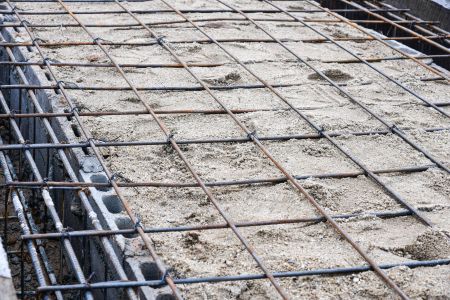
Before the first footing is formed or the frame goes up, the land itself needs to be ready. In Los Angeles, smart site preparation is the difference between a smooth build and months of headaches. It sets the stage for structure, drainage, access, and long-term performance. If you are exploring custom homes with Calcon Construction, Inc, here is how preparation protects your investment, your schedule, and your future home.
Because every lot is unique, your plan should be tailored to slope, soil, access, and utilities. A reliable team leads with testing, careful grading, and water management. For a broader look at the journey from first meeting to move‑in, you can also review our process. If you are just starting research, our home builders in Los Angeles can help you make confident decisions as you move forward.
What Site Preparation Includes in Los Angeles
Think of site prep as building the stage before the show. In and around neighborhoods like Encino, Pacific Palisades, Brentwood, and the Hollywood Hills, conditions can shift from flat infill to steep canyons within a few blocks. The core steps below create a stable, buildable surface and a clear path for construction.
- Surveying and staking to confirm boundaries, setbacks, and critical elevations.
- Geotechnical evaluation to understand soil type, bearing capacity, groundwater behavior, and any expansive or collapsible layers.
- Grading and excavation to shape the pad, balance cut and fill, and establish safe access for equipment and deliveries.
- Compaction and stabilization to achieve the density your foundation and hardscape require.
- Drainage planning to move water away from the structure with swales, subdrains, and slopes that work with the site.
- Utility coordination so water, power, gas, sewer, and data are routed efficiently and safely.
- Tree and site protection to preserve selected vegetation and prevent damage to adjacent properties and streets.
Done right, these steps reduce unknowns. They also give your architect and structural engineer accurate data so plans translate cleanly on site.
How Proper Prep Protects Your Investment
Good preparation looks quiet from the street, but it delivers value you can feel for decades. The biggest wins come from preventing problems before they start.
Start with the soil. Soil that has been tested and compacted to spec gives your foundation consistent support. That means fewer cracks, less movement, and better performance of finishes like tile and glass.
Plan drainage first. Los Angeles may be dry for long stretches, then get heavy downpours. Well-designed grading, downspout routing, and subdrains keep water moving away from the home. This protects slabs, retaining structures, and indoor air quality.
Preparation also reduces change orders. When the lot is mapped, utilities planned, and access set, crews work faster with fewer surprises. Neighbors appreciate a tidy, predictable site, which helps keep the schedule moving. Insurance requirements and lender inspections also tend to go smoother when the site is organized and documented.
Respect the slope. On hillside lots, controlled excavation and phased compaction are essential. Proper benching and safe equipment paths reduce risk during construction and make future maintenance simpler.
Local Factors That Shape Site Preparation In Los Angeles
Los Angeles spans beaches, foothills, canyons, and dense urban blocks. Each setting shapes the preparation plan.
Coastal zones see fog, salt-laden air, and sandy soils that behave differently under load. Inland valleys can have expansive clays that swell and shrink with moisture. In the Santa Monica Mountains and neighborhoods like Bel Air and Mount Washington, steep terrain often calls for carefully sequenced cuts, temporary shoring strategies determined by your engineering team, and precise hauling logistics on narrow streets.
Urban infill sites in places like Silver Lake or Mar Vista bring different challenges. Tight access means smaller equipment, scheduled deliveries, and more handwork. Overhead lines, alley restrictions, and active neighbors require clear communication and detailed traffic plans.
Local insight: The first big storm after a long dry spell can cause quick surface erosion on newly graded pads. Stabilizing exposed soils and confirming temporary drainage paths before the rainy season helps protect the work you have already completed.
Protect neighbors and streets. In many Los Angeles neighborhoods, construction happens close to active homes and businesses. Thoughtful site fencing, wheel-wash areas, and street sweeping reduce complaints and keep the project on track. Your builder manages these routines so you do not have to.
The Hidden ROI: Time, Quality, And Peace Of Mind
Preparation is an upfront effort that pays back throughout the build. When benchmarks are clear, inspectors can verify work quickly and trades stay sequenced. That shortens idle time and keeps specialty teams, like framers and concrete crews, arriving when the site is truly ready.
Quality improves too. Flat, compacted pads make layouts precise. Accurate elevations keep doors plumb and tile planes true. Thoughtful spoil management and laydown areas protect materials from damage and help your site stay efficient from day one.
Your Role As The Homeowner
You do not need to manage tractors or read compaction curves. Your role is to make early decisions that guide preparation and help your team move with confidence.
- Clarify outdoor living wishes. Patios, pools, or sport courts affect grading, drainage, and retaining needs.
- Think about access. Where will vehicles enter, turn around, and park once the home is complete?
- Share privacy and noise concerns. Planting beds, fences, and walls often start with the grading plan.
- Discuss future phases. If you might add an ADU or expand later, the site can be shaped to make that simpler.
Pair these preferences with an integrated build partner early, and your preparation plan will echo your lifestyle, not just engineering math.
A Simple, Builder-Led Prep Timeline
Every lot is different, and schedules vary by scope, season, and approvals. A typical sequence looks like this:
- Initial walk and survey coordination to map boundaries and key elevations.
- Geotechnical investigation and preliminary grading plan review with your design team.
- Access, staging, and safety planning so crews and materials move efficiently.
- Rough grading and export or import of soil as required.
- Compaction testing and refinements to hit the target densities.
- Drainage features and temporary erosion controls to protect the pad.
- Utility trenching layout and coordination with service providers.
- Final pad verification so foundation work can begin cleanly.
This builder-led flow reduces friction and sets clear inspection touchpoints. If you want to learn more while you plan, browse the latest insights on our home builder blog.
Why Choose Calcon Construction, Inc For Custom Homes In Los Angeles
Los Angeles lots call for a steady hand. Calcon Construction, Inc pairs experienced project management with local field knowledge, from compact hillside cul-de-sacs to wide Westside parcels. Our team coordinates architects, engineers, and trade partners so site work aligns with the design you love and the schedule you expect.
We keep homeowners informed with plain‑language updates and milestone photos. If adjustments are needed, you will know why and what happens next. That clarity helps you make choices with confidence and protects quality where it counts most: under your future home.
To see how we turn plans into smooth builds, take a quick look at our process, which walks through the steps we use to keep projects organized from the first conversation to the final walkthrough.
Ready To Build With Confidence In Los Angeles?
If you are preparing a new build, start strong. Talk with Calcon Construction, Inc about a site plan that supports the architecture, the schedule, and the long‑term performance of your home. Explore how we approach custom homes, then call us at 310-481-0099 to get started.